
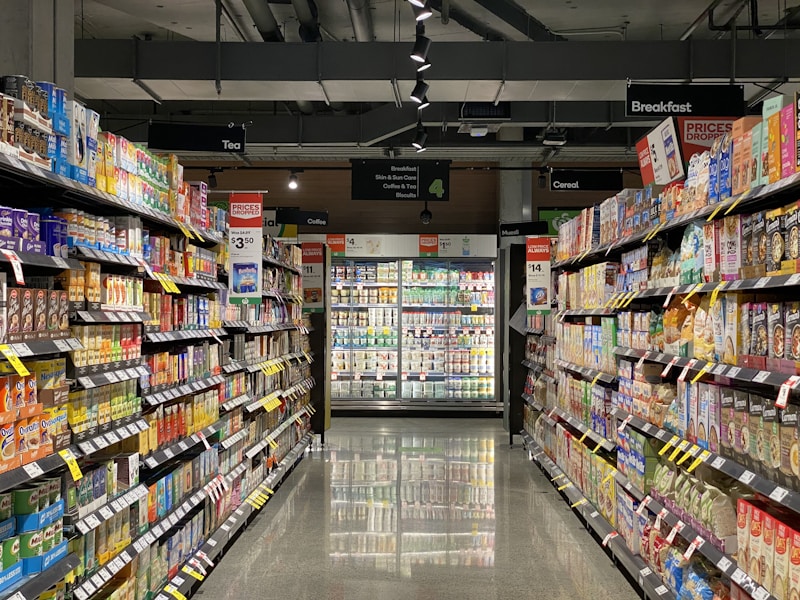
Retail and e-commerce AI depends on recognizing thousands of SKUs across packaging refreshes, private labels, promotional displays, and inconsistent store lighting. Product recognition models power shelf analytics, autonomous checkout, visual search apps, and out-of-stock alerts — each requiring labeled imagery where box tightness, class granularity, and occlusion rules directly affect revenue metrics in production. This guide explains retail-specific annotation challenges, taxonomy design, QA at catalog scale, and vendor operations for global CPG and grocer programs. Data Annotation Vendors delivers retail image annotation with playbooks tuned for retail and e-commerce AI.
Retail annotation use cases
Shelf compliance compares live photos to planograms — products, facings, and voids must be labeled precisely. Wrong SKU on a lookalike package creates false compliance scores and wasted field rep visits.
Visual search and mobile scan apps match consumer photos to catalog entries — labels must link images to product IDs including variant attributes like size and flavor. Autonomous checkout tracks items in basket videos with temporal consistency.
Taxonomy design for large catalogs
Hierarchical taxonomies map GTIN, brand, sub-brand, and packaging generation. Guidelines define when visually similar items split versus merge classes — critical when training detectors versus embedding-based search.
Seasonal and regional catalog deltas require annotation refresh pipelines — new holiday packaging, localized language on boxes — not one-time dataset dumps.
Annotation types for shelf and store vision
Bounding boxes and polygons localize products on shelves, coolers, and endcaps. Segmentation separates shelf layers, price tags, and promotional stickers. Video tracks shopper interactions and basket transfers.
OCR boxes capture price labels and promo text for price audit models — linking text regions to SKU labels when barcodes are occluded.
Handling retail edge cases
Glare on freezer doors, partial occlusions in crowded shelves, stacked products with only slivers visible, and handwritten price stickers break naive labeling rules. Playbooks document inclusion thresholds — minimum visible packaging area, ambiguous brand blocking procedures.
Negative mining labels hard backgrounds — empty hooks, unrelated categories — to reduce false positives in high-recall detection systems deployed chain-wide.
QA and metrics for retail ML
Measure SKU-level precision on golden store visits stratified by chain, store format, and lighting. Inter-annotator agreement on lookalike pairs predicts production confusion matrices better than generic box IoU alone.
Data Annotation Vendors reports category-specific error rates and supports rapid playbook updates when CPG partners launch packaging redesigns mid-program.
Scaling retail annotation globally
Multi-country rollouts need locale-specific packaging labels while maintaining unified product IDs. Twenty-four-seven ops absorb large catalog ingestion before seasonal resets.
Partner with Data Annotation Vendors for end-to-end retail image annotation, catalog validation, and ongoing refresh aligned to your retail and e-commerce AI roadmap — from pilot stores to enterprise deployment.
Connecting shelf labels to ERP and planogram systems
Annotation exports that map detection IDs to planogram slot IDs and ERP SKUs reduce integration friction for retail analytics platforms. Metadata on store format, aisle type, and capture device helps models generalize without silent domain shift.
Field validation apps compare model outputs to human audits on golden store visits — closing the loop between annotation QA and in-store KPIs executives track.
Promotional and seasonal labeling surges
Holiday resets and promotional endcaps spike SKU introduction rates — annotation programs pre-book vendor capacity and pre-draft playbook modules for temporary displays before peaks hit.
Data Annotation Vendors retail clients schedule seasonal ramps in quarterly business reviews — avoiding Black Friday bottlenecks that stall vision deployments.
Visual search versus on-shelf detection label differences
Visual search emphasizes embedding-friendly product identity across angles and backgrounds — labels may focus on product ID without strict shelf geometry. Planogram compliance demands tight spatial boxes relative to shelf grid metadata — different QA priorities.
Using one label style for both use cases confuses models — Data Annotation Vendors separates playbooks while sharing SKU master linkage.
Private label, regional assortment, and label churn
Regional assortments mean SKUs appear in some markets only — metadata tags market availability preventing false negatives in global model eval conflating geographies.
Private label redesign cycles accelerate label churn — vendor capacity planning treats packaging refresh as recurring ops, not one-time projects.
Checkout-free and basket vision video
Autonomous checkout tracks hand-product interactions with temporal labels — item removed versus returned, multi-pack splits — video annotation complexity beyond static shelf photos.
Privacy and throughput constraints define what gets labeled versus inferred — guidelines align with deployment ethics and latency budgets.
Measuring business impact of retail label quality
Executives care about out-of-stock detection dollars and compliance fines — connect annotation QA metrics to pilot store KPI improvements in business reviews, not only mAP in notebooks.
Data Annotation Vendors retail PMs speak both ML metrics and merchandising outcomes — bridging teams that otherwise misalign priorities.
Omnichannel retail vision
Enterprise ML teams evaluating product recognition labeling should treat operational detail as seriously as model architecture. SKU box precision on lookalike packaging separates planogram truth from cosmetic similarity. Checkout video tags train autonomous checkout on hand-product interactions temporally. Teams that skip this discipline often discover gaps only after deployment, when re-labeling costs multiply and executive confidence erodes. Accurate compliance scores field teams believe. Data Annotation Vendors addresses retail data annotation with dedicated project managers, written playbooks, and weekly QA reporting so stakeholders see progress against agreed metrics rather than anecdotal updates. When you are ready to scope the next phase, review our services and industries pages, then contact our team with sample data and accuracy targets.
Enterprise ML teams evaluating product recognition labeling should treat operational detail as seriously as model architecture. Planogram metadata linking detections to slot IDs powers compliance analytics executives fund. Negative shelf mining reduces false positives that trigger costly false replenishment. Teams that skip this discipline often discover gaps only after deployment, when re-labeling costs multiply and executive confidence erodes. Better visual search conversion on mobile apps. Data Annotation Vendors addresses retail data annotation with dedicated project managers, written playbooks, and weekly QA reporting so stakeholders see progress against agreed metrics rather than anecdotal updates. When you are ready to scope the next phase, review our services and industries pages, then contact our team with sample data and accuracy targets.
Enterprise ML teams evaluating product recognition labeling should treat operational detail as seriously as model architecture. Visual search IDs emphasize product identity across angles more than shelf geometry alone. Catalog refresh cycles for seasonal packaging need vendor capacity booked before peaks. Teams that skip this discipline often discover gaps only after deployment, when re-labeling costs multiply and executive confidence erodes. Lower false out-of-stock alerts protecting revenue. Data Annotation Vendors addresses retail data annotation with dedicated project managers, written playbooks, and weekly QA reporting so stakeholders see progress against agreed metrics rather than anecdotal updates. When you are ready to scope the next phase, review our services and industries pages, then contact our team with sample data and accuracy targets.
Enterprise ML teams evaluating product recognition labeling should treat operational detail as seriously as model architecture. Promotional display labels capture temporary endcaps standard taxonomies omit until too late. Private-label rules adjudicate when visual similarity exceeds class separation thresholds. Teams that skip this discipline often discover gaps only after deployment, when re-labeling costs multiply and executive confidence erodes. Smooth chain rollouts when pilots used representative store strata. Data Annotation Vendors addresses retail data annotation with dedicated project managers, written playbooks, and weekly QA reporting so stakeholders see progress against agreed metrics rather than anecdotal updates. When you are ready to scope the next phase, review our services and industries pages, then contact our team with sample data and accuracy targets.
Enterprise ML teams evaluating product recognition labeling should treat operational detail as seriously as model architecture. SKU box precision on lookalike packaging separates planogram truth from cosmetic similarity. Checkout video tags train autonomous checkout on hand-product interactions temporally. Teams that skip this discipline often discover gaps only after deployment, when re-labeling costs multiply and executive confidence erodes. Accurate compliance scores field teams believe. Data Annotation Vendors addresses retail data annotation with dedicated project managers, written playbooks, and weekly QA reporting so stakeholders see progress against agreed metrics rather than anecdotal updates. When you are ready to scope the next phase, review our services and industries pages, then contact our team with sample data and accuracy targets.
Planogram label integration
Enterprise ML teams evaluating product recognition labeling should treat operational detail as seriously as model architecture. Planogram metadata linking detections to slot IDs powers compliance analytics executives fund. Negative shelf mining reduces false positives that trigger costly false replenishment. Teams that skip this discipline often discover gaps only after deployment, when re-labeling costs multiply and executive confidence erodes. Better visual search conversion on mobile apps. Data Annotation Vendors addresses retail data annotation with dedicated project managers, written playbooks, and weekly QA reporting so stakeholders see progress against agreed metrics rather than anecdotal updates. When you are ready to scope the next phase, review our services and industries pages, then contact our team with sample data and accuracy targets.
Enterprise ML teams evaluating product recognition labeling should treat operational detail as seriously as model architecture. Visual search IDs emphasize product identity across angles more than shelf geometry alone. Catalog refresh cycles for seasonal packaging need vendor capacity booked before peaks. Teams that skip this discipline often discover gaps only after deployment, when re-labeling costs multiply and executive confidence erodes. Lower false out-of-stock alerts protecting revenue. Data Annotation Vendors addresses retail data annotation with dedicated project managers, written playbooks, and weekly QA reporting so stakeholders see progress against agreed metrics rather than anecdotal updates. When you are ready to scope the next phase, review our services and industries pages, then contact our team with sample data and accuracy targets.
Enterprise ML teams evaluating product recognition labeling should treat operational detail as seriously as model architecture. Promotional display labels capture temporary endcaps standard taxonomies omit until too late. Private-label rules adjudicate when visual similarity exceeds class separation thresholds. Teams that skip this discipline often discover gaps only after deployment, when re-labeling costs multiply and executive confidence erodes. Smooth chain rollouts when pilots used representative store strata. Data Annotation Vendors addresses retail data annotation with dedicated project managers, written playbooks, and weekly QA reporting so stakeholders see progress against agreed metrics rather than anecdotal updates. When you are ready to scope the next phase, review our services and industries pages, then contact our team with sample data and accuracy targets.
Enterprise ML teams evaluating product recognition labeling should treat operational detail as seriously as model architecture. SKU box precision on lookalike packaging separates planogram truth from cosmetic similarity. Checkout video tags train autonomous checkout on hand-product interactions temporally. Teams that skip this discipline often discover gaps only after deployment, when re-labeling costs multiply and executive confidence erodes. Accurate compliance scores field teams believe. Data Annotation Vendors addresses retail data annotation with dedicated project managers, written playbooks, and weekly QA reporting so stakeholders see progress against agreed metrics rather than anecdotal updates. When you are ready to scope the next phase, review our services and industries pages, then contact our team with sample data and accuracy targets.
Enterprise ML teams evaluating product recognition labeling should treat operational detail as seriously as model architecture. Planogram metadata linking detections to slot IDs powers compliance analytics executives fund. Negative shelf mining reduces false positives that trigger costly false replenishment. Teams that skip this discipline often discover gaps only after deployment, when re-labeling costs multiply and executive confidence erodes. Better visual search conversion on mobile apps. Data Annotation Vendors addresses retail data annotation with dedicated project managers, written playbooks, and weekly QA reporting so stakeholders see progress against agreed metrics rather than anecdotal updates. When you are ready to scope the next phase, review our services and industries pages, then contact our team with sample data and accuracy targets.
SKU lifecycle labeling
Enterprise ML teams evaluating product recognition labeling should treat operational detail as seriously as model architecture. Visual search IDs emphasize product identity across angles more than shelf geometry alone. Catalog refresh cycles for seasonal packaging need vendor capacity booked before peaks. Teams that skip this discipline often discover gaps only after deployment, when re-labeling costs multiply and executive confidence erodes. Lower false out-of-stock alerts protecting revenue. Data Annotation Vendors addresses retail data annotation with dedicated project managers, written playbooks, and weekly QA reporting so stakeholders see progress against agreed metrics rather than anecdotal updates. When you are ready to scope the next phase, review our services and industries pages, then contact our team with sample data and accuracy targets.
Enterprise ML teams evaluating product recognition labeling should treat operational detail as seriously as model architecture. Promotional display labels capture temporary endcaps standard taxonomies omit until too late. Private-label rules adjudicate when visual similarity exceeds class separation thresholds. Teams that skip this discipline often discover gaps only after deployment, when re-labeling costs multiply and executive confidence erodes. Smooth chain rollouts when pilots used representative store strata. Data Annotation Vendors addresses retail data annotation with dedicated project managers, written playbooks, and weekly QA reporting so stakeholders see progress against agreed metrics rather than anecdotal updates. When you are ready to scope the next phase, review our services and industries pages, then contact our team with sample data and accuracy targets.
Enterprise ML teams evaluating product recognition labeling should treat operational detail as seriously as model architecture. SKU box precision on lookalike packaging separates planogram truth from cosmetic similarity. Checkout video tags train autonomous checkout on hand-product interactions temporally. Teams that skip this discipline often discover gaps only after deployment, when re-labeling costs multiply and executive confidence erodes. Accurate compliance scores field teams believe. Data Annotation Vendors addresses retail data annotation with dedicated project managers, written playbooks, and weekly QA reporting so stakeholders see progress against agreed metrics rather than anecdotal updates. When you are ready to scope the next phase, review our services and industries pages, then contact our team with sample data and accuracy targets.
Enterprise ML teams evaluating product recognition labeling should treat operational detail as seriously as model architecture. Planogram metadata linking detections to slot IDs powers compliance analytics executives fund. Negative shelf mining reduces false positives that trigger costly false replenishment. Teams that skip this discipline often discover gaps only after deployment, when re-labeling costs multiply and executive confidence erodes. Better visual search conversion on mobile apps. Data Annotation Vendors addresses retail data annotation with dedicated project managers, written playbooks, and weekly QA reporting so stakeholders see progress against agreed metrics rather than anecdotal updates. When you are ready to scope the next phase, review our services and industries pages, then contact our team with sample data and accuracy targets.
Enterprise ML teams evaluating product recognition labeling should treat operational detail as seriously as model architecture. Visual search IDs emphasize product identity across angles more than shelf geometry alone. Catalog refresh cycles for seasonal packaging need vendor capacity booked before peaks. Teams that skip this discipline often discover gaps only after deployment, when re-labeling costs multiply and executive confidence erodes. Lower false out-of-stock alerts protecting revenue. Data Annotation Vendors addresses retail data annotation with dedicated project managers, written playbooks, and weekly QA reporting so stakeholders see progress against agreed metrics rather than anecdotal updates. When you are ready to scope the next phase, review our services and industries pages, then contact our team with sample data and accuracy targets.
Store pilot to chain scale
Enterprise ML teams evaluating product recognition labeling should treat operational detail as seriously as model architecture. Promotional display labels capture temporary endcaps standard taxonomies omit until too late. Private-label rules adjudicate when visual similarity exceeds class separation thresholds. Teams that skip this discipline often discover gaps only after deployment, when re-labeling costs multiply and executive confidence erodes. Smooth chain rollouts when pilots used representative store strata. Data Annotation Vendors addresses retail data annotation with dedicated project managers, written playbooks, and weekly QA reporting so stakeholders see progress against agreed metrics rather than anecdotal updates. When you are ready to scope the next phase, review our services and industries pages, then contact our team with sample data and accuracy targets.
Enterprise ML teams evaluating product recognition labeling should treat operational detail as seriously as model architecture. SKU box precision on lookalike packaging separates planogram truth from cosmetic similarity. Checkout video tags train autonomous checkout on hand-product interactions temporally. Teams that skip this discipline often discover gaps only after deployment, when re-labeling costs multiply and executive confidence erodes. Accurate compliance scores field teams believe. Data Annotation Vendors addresses retail data annotation with dedicated project managers, written playbooks, and weekly QA reporting so stakeholders see progress against agreed metrics rather than anecdotal updates. When you are ready to scope the next phase, review our services and industries pages, then contact our team with sample data and accuracy targets.
Enterprise ML teams evaluating product recognition labeling should treat operational detail as seriously as model architecture. Planogram metadata linking detections to slot IDs powers compliance analytics executives fund. Negative shelf mining reduces false positives that trigger costly false replenishment. Teams that skip this discipline often discover gaps only after deployment, when re-labeling costs multiply and executive confidence erodes. Better visual search conversion on mobile apps. Data Annotation Vendors addresses retail data annotation with dedicated project managers, written playbooks, and weekly QA reporting so stakeholders see progress against agreed metrics rather than anecdotal updates. When you are ready to scope the next phase, review our services and industries pages, then contact our team with sample data and accuracy targets.
Enterprise ML teams evaluating product recognition labeling should treat operational detail as seriously as model architecture. Visual search IDs emphasize product identity across angles more than shelf geometry alone. Catalog refresh cycles for seasonal packaging need vendor capacity booked before peaks. Teams that skip this discipline often discover gaps only after deployment, when re-labeling costs multiply and executive confidence erodes. Lower false out-of-stock alerts protecting revenue. Data Annotation Vendors addresses retail data annotation with dedicated project managers, written playbooks, and weekly QA reporting so stakeholders see progress against agreed metrics rather than anecdotal updates. When you are ready to scope the next phase, review our services and industries pages, then contact our team with sample data and accuracy targets.
Enterprise ML teams evaluating product recognition labeling should treat operational detail as seriously as model architecture. Promotional display labels capture temporary endcaps standard taxonomies omit until too late. Private-label rules adjudicate when visual similarity exceeds class separation thresholds. Teams that skip this discipline often discover gaps only after deployment, when re-labeling costs multiply and executive confidence erodes. Smooth chain rollouts when pilots used representative store strata. Data Annotation Vendors addresses retail data annotation with dedicated project managers, written playbooks, and weekly QA reporting so stakeholders see progress against agreed metrics rather than anecdotal updates. When you are ready to scope the next phase, review our services and industries pages, then contact our team with sample data and accuracy targets.
Frequently Asked Questions
How many labels does a retail CV project need?
From tens of thousands for narrow SKU sets to millions for chain-wide detection — plus ongoing refresh for new packaging. Pilots establish per-SKU image targets.
Should each SKU have its own class?
Depends on model architecture — fine-grained detectors use SKU-level classes; embedding search may use product IDs with metric learning. Taxonomy workshops resolve this.
Can store employees label shelves?
Possible for pilots but enterprise programs use trained vendor annotators with QA to ensure consistency across thousands of stores.
What about private-label lookalikes?
Guidelines define adjudication when visual similarity exceeds threshold — often requiring brand-specific attributes or barcode-assisted verification.
Does Data Annotation Vendors support planogram XML integration?
Export schemas can align to planogram IDs and shelf positions — scoped during technical integration design.
Partner with Data Annotation Vendors
Win on shelf with SKU-accurate training data. Data Annotation Vendors scales retail image annotation for retail and e-commerce AI with catalog-aware QA. get a retail labeling quote with sample shelf imagery and taxonomy notes.